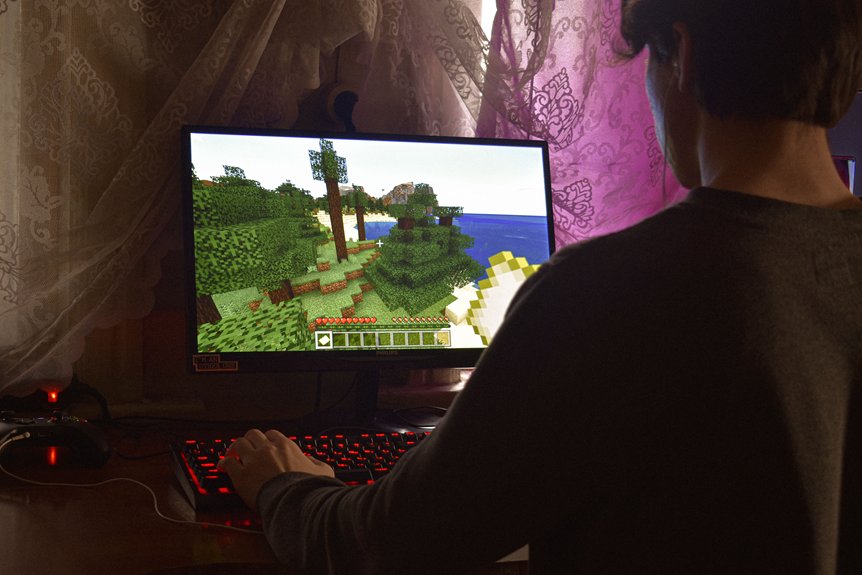
Minecraft PlayBattleSquare (PBS) is an arena-based multiplayer mode prioritizing quick engagement and clear objectives. It centers on objective battles, capture-the-flag holds, and domination rounds, with map control and resource flow shaping pacing. The guide outlines essential setup, concise communication, and role clarity to avoid confusion. It emphasizes item prioritization, cooldown management, and tactical awareness to sustain performance. For those seeking solid strategies and practical play, the framework invites careful consideration of pitfalls and effective practices to come.
What Is Minecraft Playbattlesquare and How It Works
Minecraft PlayBattleSquare, often abbreviated as PBS, is a multiplayer minigame mode built around competitive, arena-based combat and team objectives. It presents a modular arena system and fast cycles of engagement, emphasizing clear goals and swift decision making. What is Minecraft and how it works reveal a framework where practical tactics to win hinge on resource management and combat tips.
Core Modes, Scoring, and Weapon Rules You Need to Know
PBS features distinct core modes that structure gameplay: standard objective battles, capture-the-flag-style holds, and objective-based domination rounds. Core mechanics govern scoring, weapon rules, and progression, while map control determines resource flow. Resource farming and weapon balance influence pacing and fairness, encouraging strategic positioning and disciplined engagement. The framework supports freedom by clarifying objectives, limits, and consistency across matches.
Practical Tactics to Win: Resource Management and Combat Tips
Effective resource management and disciplined combat are pivotal in PBS matches, as players optimize limited supplies while executing decisive engagements. In this framework, resource management emphasizes prioritizing essential items, timing resource usage, and conserving cooldowns.

Combat tips focus on positional awareness, target prioritization, and efficient engagements. The objective stance avoids fluff while delivering actionable guidance that supports autonomous, freedom-seeking strategies.
Setup, Communication, and Common Pitfalls to Avoid
Setting up a solid foundation in Playbattlesquare relies on clear setup, reliable communication, and an awareness of common missteps that can derail momentum after Resource Management and Combat Tips.
The section analyzes setup confusion, clarifying roles, tools, and resets; it emphasizes concise channels and consistent signals.
It also highlights communication clarity, avoiding ambiguity, ensuring timely information, and reducing misinterpretations during high-pressure exchanges.
Frequently Asked Questions
Can I Play Playbattlesquare Solo or Only in Teams?
Playbattlesquare supports solo play and team-based modes; players may choose accordingly. Solo play emphasizes personal skill and strategy, while team modes require coordination. Control schemes vary by platform, enabling flexible setups for those seeking freedom.
Are There Any Hidden Maps or Experimental Modes?
Hidden maps exist as experimental concepts and limited tests; no guaranteed availability. Experimental modes may appear briefly. Cross platform progression and saves vary by platform and build, requiring cautious expectations and independent verification before commitment.
How Do I Switch Controllers or Input Methods?
Switch controllers by accessing Settings > Controls, then choose input customization per device; cross platform saves sync via account, not device. This method supports experimental modes, ensuring a concise, objective path for users seeking freedom in configuration.
What Happens if a Server Crashes Mid-Match?
A server crash mid-match results in automatic crash handling protocols, preserving game state and player progress. When recovery occurs, match resumption proceeds from the last checkpoint, minimizing disruption and maintaining fairness for participants with freedom to continue.
Is There Cross-Platform Progression or Saves?
Cross-platform progression exists only with progress synchronization across ecosystems; however, single player feasibility remains stronger. Some experimental features enable input device switching. Server crash recovery can restore most states, yet cross platform saves show limited consistency.
Conclusion
In examining PlayBattleSquare, the theory that clear roles alone guarantee victory proves oversimplified; execution quality and resource discipline shape outcomes as much as assignment. A detached, analytic view reveals that reliable setup, concise communication, and disciplined cooldown management consistently correlate with performance across modes. While dominant strategies emerge, adaptability under resource pressure dictates success. Thus, truth emerges: structured clarity plus tactical pragmatism—not mythic heroics—drives sustained advantage in PBS battles.