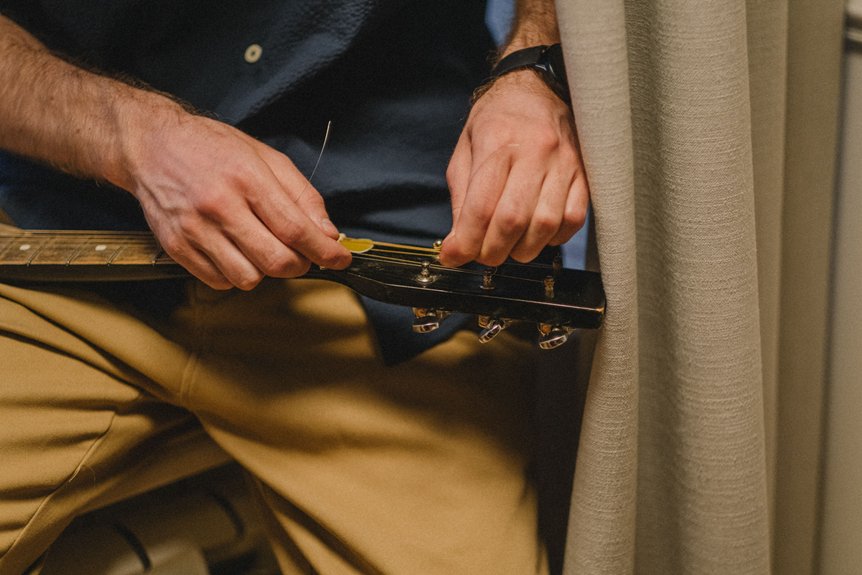
Restringing a guitar involves more than strings; price hinges on scope, labor, and setup. The choice of string type—gauge, alloy, and coatings—drives material costs and time, while optional services can shift the total. Precision in tension, nut relief, and intonation matters as much as the strings themselves. A fair estimate weighs quality, thoroughness, and transparency. The difference between basic and premium work matters more than the sticker price, and the next detail could affect your instrument’s playability.
What Exactly Changes the Restringing Price?
The cost of restringing a guitar hinges on several specific factors that influence labor and materials. Precision governs approach: string selection decisions shape tension and tonal outcome, while service add ons—lubrication, nut filing, and setup—affect total time and resources. Each choice alters value, ensuring a tailored result without unnecessary complexity, preserving freedom in playability and expression.
How String Type Drives the Bill
String type directly shapes both the materials cost and the labor time involved in restringing. Different gauges, alloys, and coating philosophies alter tone, longevity, and tension requirements, influencing productivity and waste. Two word discussion ideas emerge: rigidity versus elasticity. Irrelevant topic may distract, yet focused selection preserves efficiency, minimizes breakage, and maintains optimal setup. Craftsmanship hinges on precise, informed choices within this narrow scope.
Optional Services That Change the Total
Optional services can shift the final invoice by affecting setup, time, and material costs beyond basic restringing. Precision-minded shop notes that optional steps influence total more than anticipation suggests.


When selecting string materials or maintenance options, craftspeople document scope, tools, and labor. Clear decisions prevent surprises, align expectations, and preserve tonal integrity while respecting customer autonomy and budget.
Smart Ways to Get Quality Without Overpaying
Smart choices in restringing begin with aligning service quality to actual need, rather than defaulting to the lowest price or the most expensive option.
The approach favors measured value: reputable materials, precise winding, and correct tension.
Readers seek autonomy through informed selections, appreciating guitar maintenance clarity and shop transparency, enabling fair comparisons, reliable results, and durable setup without unnecessary expense or guesswork.
Frequently Asked Questions
Do Resale or Discount Options Affect Restringing Cost?
Resale discounts can influence perceived value, but restringing cost itself remains independent; instrument resale value benefits from meticulous setup. A precision-minded shop notes resale discounts may sway buyers, yet craftsmanship sustains long-term instrument integrity and market appeal.
Does Travel Distance Impact Local Guitar Shops’ Prices?
Travel distance influences local pricing, and travel distance can lead to price variations; shop fees vary with distance, craftsmanship focus, precision in work. The detached observer notes that local pricing reflects logistics, while quality remains the primary determinant for freedom-loving players.
Are Multi-String Sets Cheaper per String Than Singles?
Multi-string sets typically offer lower price per string than singles, enabling a favorable price comparison. The craftsman notes string sets provide bulk efficiency, while individual strings tempt customization. Overall, price per string decreases with sets, satisfying freedom-minded buyers.
Does Guitar Age Influence Restringing Difficulty or Price?
How aging guitars influence restringing difficulty is notable; aging guitars can complicate neck curvature, tuner wear, and string ferrules, impacting time and precision. The craft rewards meticulous setup, as restringing difficulty rises with material fatigue and environmental stress.
Can Tips or Guitars With Unusual Hardware Raise Fees?
Uncertain fees can arise, but unusual hardware can raise tip impact. The conservatively priced restringing accounts for stability, while precision-focused technicians assess unusual hardware individually, ensuring craftsmanship remains uncompromised and freedom-loving players experience transparent, accurate, and skillfully measured costs.
Conclusion
Restringing costs reflect more than strings; they encapsulate workmanship, setup, and instrument health. The theory that “price equals quality” holds only when a shop’s value aligns with precise tension, nut care, and intonation. When vendors disclose scope—strings, labor, lubrication, and nut work—a true assessment emerges: premium materials and careful setup yield lasting tone and stability, while transparent pricing prevents surprises. For enthusiasts, the payoff is measurable precision and a guitar that plays as designed, without overpaying for unnecessary extras.